
Fashion, Guides, Leather Jacket Tips
Real Leather vs Vegan Leather – What’s the Difference?
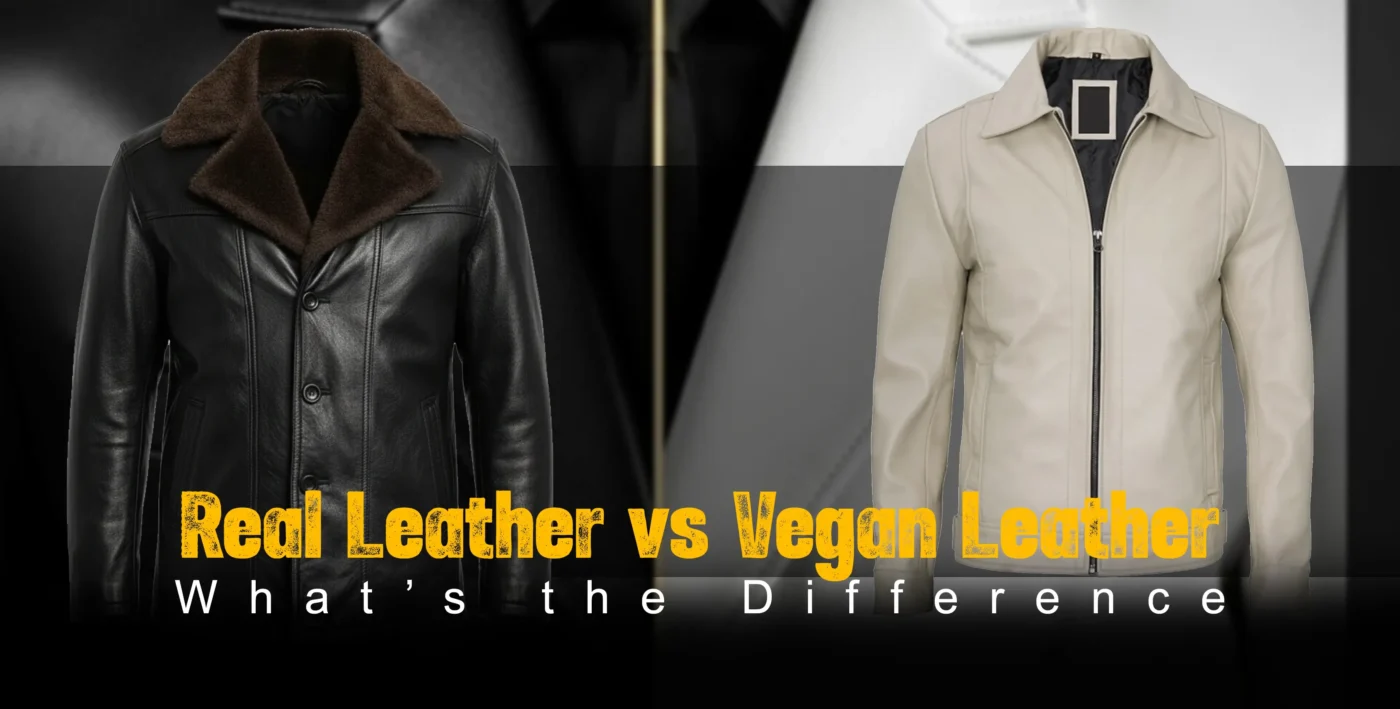
Real Leather vs. Vegan Leather: The Industrial Breakdown
A leather jacket isn’t just a fashion choice; it’s a piece of technical equipment. For decades, these garments have been the primary defense against wind and pavement. In a market flooded with generic “looks,” the real choice comes down to material physics: high-density animal hide versus modern synthetic engineering. Whether you need the 20-year resilience of a heritage cowhide or the immediate, soft drape of a vegan alternative, you need to understand exactly what you are putting on your back.
This guide cuts through the marketing fluff to compare material weight, grain density, and thermal performance. From the gritty silhouettes of 90s cinema to the demands of daily urban travel, your gear should reflect your environment. Modern buyers aren’t satisfied with, custom recreation quality anymore; they want a build that aligns with their values and survives a beating. This is where the debate between heavy-duty animal skins and industrial-grade synthetic PU actually matters.
Most shoppers are kept in the dark about the massive range of materials used in technical outerwear. We are talking about the difference between 1.3mm thick top-grain cowhide and reinforced plant-based fibers. As the industry moves toward low-impact products, more riders and city-dwellers are scrutinizing the technical specs before they invest. At America Jackets, we focus on the structural integrity of the frame, no matter which shell material you choose.
Below, we audit the specific physics of real leather against the practical benefits of high-grade vegan options, including our Women’s Leather Jackets. You’ll see how these materials perform under stress, how they age (or degrade), and which build fits your budget. By the end of this report, you’ll know exactly which skin, animal or synthetic, belongs in your rotation.


Defining Real Leather: Biological Armor
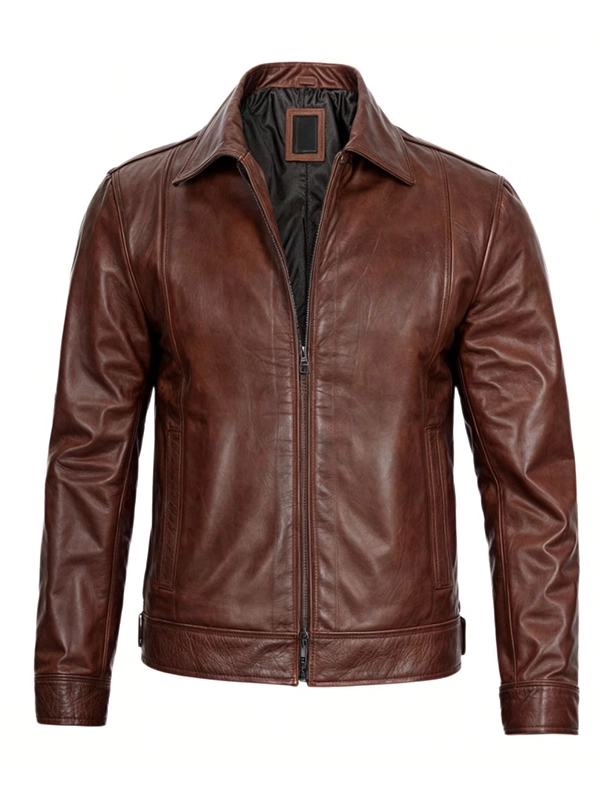
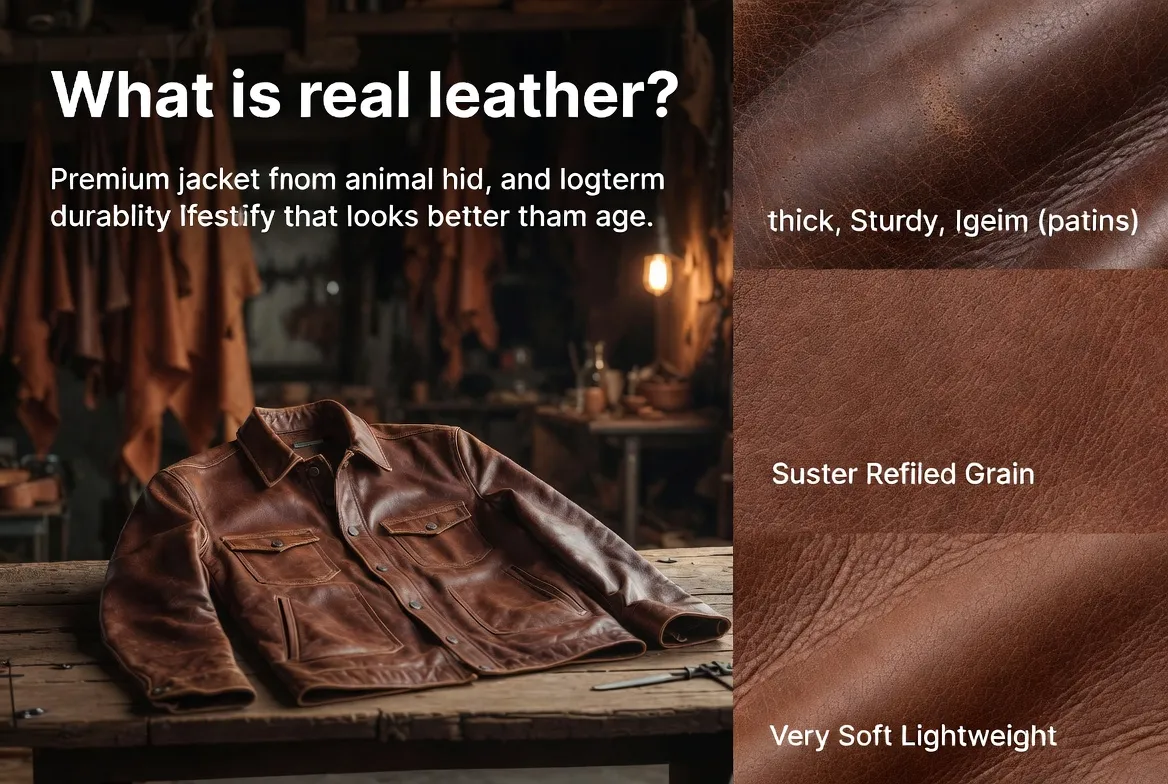
Real leather is essentially processed animal hide, a biological material engineered by nature for protection. Unlike synthetic fabrics, high-density cowhide or lambskin is a multi-layered fiber structure that is both breathable and incredibly resilient. The primary reason a real leather jacket is a “Master Tailor” favorite is its ability to adapt. Through a process of heat and friction from your body, the leather fibers actually shift and mold to your anatomical frame. This isn’t just “getting softer”; it’s a structural break-in that makes the garment a permanent part of your rotation.
The transition from raw hide to technical outerwear happens during the tanning process. At America Jackets, we look for hides that undergo specific tanning techniques to ensure the material retains its natural oils. This is what creates the patina, a darkening and hardening of the surface that acts as a protective shield while adding a rugged, vintage glow. While cheaper alternatives might crack under the sun, a well-tanned hide actually thrives with age, provided it’s given basic maintenance.
When selecting a jacket, you have to understand the hierarchy of the hide. Full-grain leather is the heavy-hitter; it hasn’t been sanded or corrected, meaning the natural fiber density is at its peak. This is the stuff that survives a slide on the pavement. Top-grain leather offers a more refined, thinner profile for street-ready blazers, while Lambskin is the choice for lightweight Men’s Leather Jackets where comfort is the priority over armor-like thickness. For pure, industrial-grade durability, we always recommend 1.2mm Cowhide.
So, is the investment in an animal-hide jacket worth it? If you are looking for a 20-year lifespan, the answer is a blunt yes. No synthetic material can match the puncture resistance or the heat-regulating properties of real skin. However, we recognize that some riders prefer a cruelty-free footprint, which brings us to the engineering behind modern vegan alternatives.
Understanding Vegan Leather: Synthetic Engineering & Plant Hides
Vegan leather is a broad term for materials that completely bypass animal hides in favor of lab-engineered polymers or plant-based fibers. While the market buzzes about exotic sources like pineapple or mushroom “leather,” the industrial backbone of this category remains high-grade Polyurethane (PU). At America Jackets, we view vegan leather as a specific technical tool, it allows for a consistency in color and texture that natural hides simply cannot match. It’s a clean, non-boxy alternative for those who want the “biker” aesthetic without the break-in period or the weight of a heavy cowhide.
In the workshop, we prioritize PU (Polyurethane) over the older, more brittle PVC. Why? Because PU is engineered with a microscopic porosity that allows for better thermal regulation, meaning you won’t feel like you’re wearing a plastic bag in the sun. It mimics the grain of high-end skins so closely that it takes a trained eye to spot the difference from a few feet away. For modern city-dwellers, especially in our Men’s Black Leather Jackets range, this material offers a lightweight, friction-free experience that is immediately comfortable right off the rack.
From a construction standpoint, vegan leather is a “static” material. Unlike real leather, which adapts to your frame, synthetic leather keeps its original shape until the day it wears out. It won’t develop a patina or darken with age, which is a trade-off for its lower price point and uniform appearance. However, the benefits are clear: it’s significantly more budget-friendly, handles moisture with ease, and is entirely user-friendly for those who want a low-maintenance, cruelty-free rotation in their Movie Outfit collection.
While it lacks the 20-year structural integrity of a 1.2mm cowhide, our vegan options are built with the same AJ dual-needle reinforced stitching and solid-core hardware. We treat every synthetic build with the same “Rugged Heritage” respect, ensuring your jacket survives the commute and the crowd without peeling at the seams.

The Technical Divide: Real Leather vs. Vegan Leather
Before committing to a build, you need to understand the structural physics separating these two materials. This isn’t just about price; it’s about how the garment survives your environment. Real hide is a dense, fibrous “living” material, while vegan leather is a precision-engineered synthetic. At America Jackets, we look at durability through the lens of tensile strength and material memory. High-density hides are the gold standard for longevity, while vegan options offer a uniform, budget-conscious entry into the world of professional outerwear.
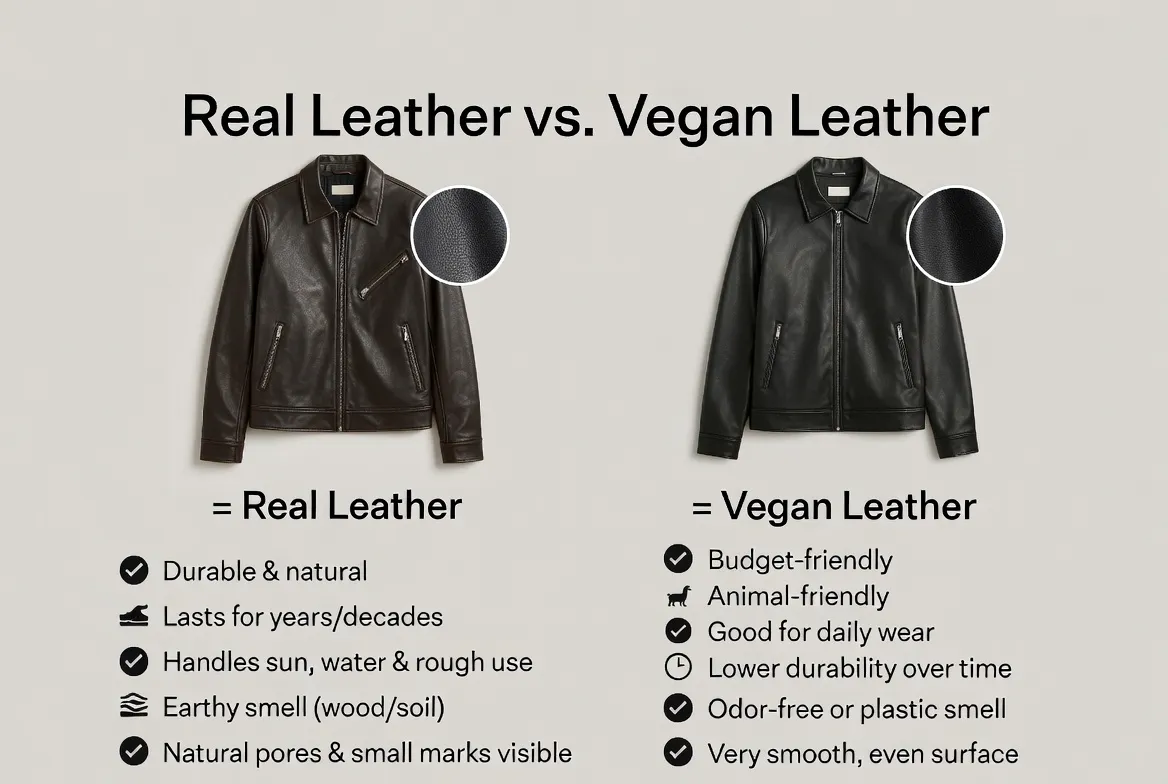
When we talk about durability, we are talking about decades versus seasons. A heavy-duty cowhide jacket is built to withstand abrasion and rough handling; it develops a “memory” of your movements, becoming more comfortable every year. Vegan leather, while perfect for low-impact daily wear, doesn’t have the same structural fiber-linkage. It lacks the long-term resilience of animal hide, but it is significantly more resistant to water damage and staining, making it a practical choice for high-moisture climates or those who want a simple wipe-down maintenance routine.
The sensory differences are just as blunt. Real leather carries a rugged, organic scent reminiscent of wood and earth, a hallmark of the tanning oils. In contrast, industrial PU is generally odor-neutral or carries a faint chemical signature of the polymer coating. Visually, real skins are defined by their “imperfections”, natural grain irregularities and microscopic pores that allow for heat regulation. Vegan leather is characterized by its perfect uniformity; it’s smooth and even, providing a sleek look that fits perfectly into a modern Movie Outfit silhouette or a sharp Women’s Shearling Leather Jacket.
Ultimately, the choice comes down to your “wear cycle.” If you want a heritage piece that you’ll pass down, go for the real hide. If you want a lightweight, consistent, and cruelty-free look that requires zero conditioning, the vegan route is your best bet. At AJ, both are built with the same industrial-grade hardware and dual-needle stitching to ensure you get the maximum life out of whichever material you choose.
Industrial Styles: Engineering the Silhouette
A leather jacket is an architectural build; the style you choose dictates the weight and the movement of the garment. At America Jackets, we categorize these by their mechanical purpose. The Biker Jacket, for instance, is defined by its heavy-gauge zippers and oversized lapels designed as wind-breaks. For those hitting the road, we always recommend 1.2mm cowhide for its superior abrasion resistance. However, for those seeking the aesthetic without the weight, our vegan-built Men’s Leather Jackets and sharp Women’s Leather Jackets offer a non-boxy, lightweight alternative that mimics the grit of heritage hides.
The Men’s Bomber Jackets represent a shift toward thermal regulation. Originally engineered for high-altitude pilots, these feature a ribbed waist and cuffs to trap body heat. Whether you choose the heavy-duty original hide or a reinforced synthetic, the “puffed” sleeve construction is designed for maximum anatomical movement. For extreme cold, the Shearling Jacket is the heavy-hitter. We use high-density wool linings (real or faux-fur vegan options) to create a heat-trapping barrier that thrives in sub-zero temperatures.
Cinematic Gear: From Screen to Street Duty
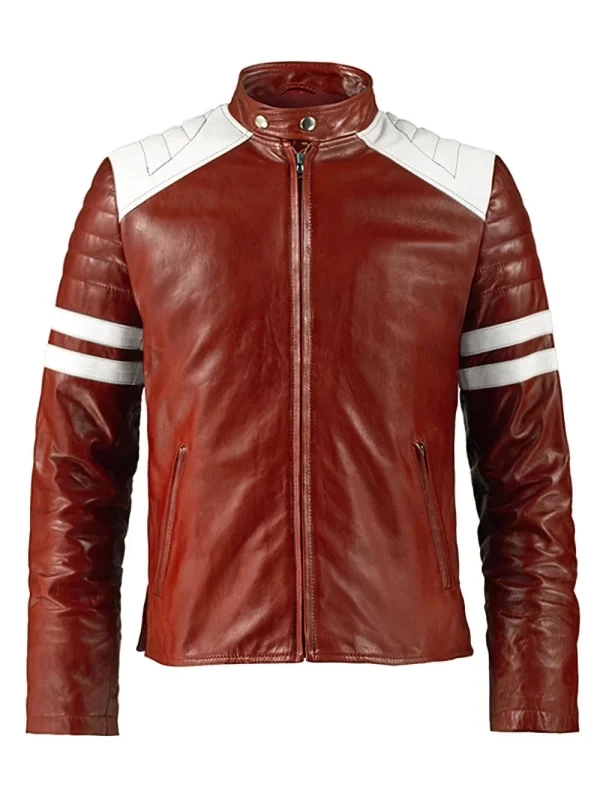
Film history is written in leather. At America Jackets, we don’t just recreate movie looks; we re-engineer them as functional outerwear. The Fight Club Tyler Durden Jacket, for example, requires a specific high-density nap to achieve that gritty, lived-in red hue. Similarly, the Top Gun Jacket Shop collection focuses on aviator silhouettes with industrial-grade patches that are cross-stitched to stay put, even through years of wear.
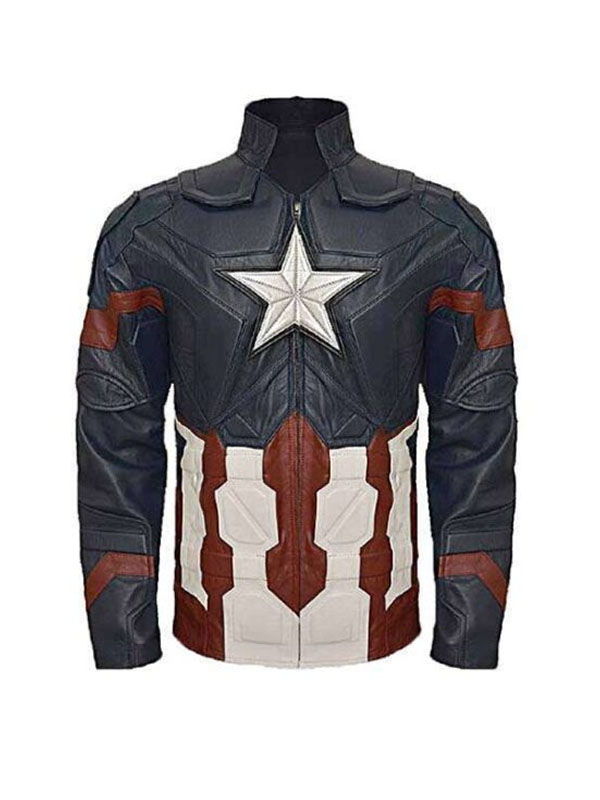
For those who need a rugged, adventure-ready frame, the Wolverine-inspired builds and the Dean Winchester Leather Jacket are constructed with reinforced seams to handle rough handling. Even high-action superhero gear, like the Captain America Leather Jacket, is built at AJ with solid-core fasteners and friction-free linings. We ensure that these iconic pieces, whether they are heritage cowhide or industrial vegan PU, survive the real world with the same grit as their on-screen counterparts.

The Selection Audit: Choosing Your Armor
The jacket you choose is a direct reflection of your daily grind, your budget, and your environment. High-density real leather is for the individual who views outerwear as a twenty-year investment, a heritage piece that develops a unique patina and molds to their anatomical frame. Conversely, industrial-grade vegan leather is the standard for those seeking a sharp, non-boxy look at a more accessible price point. At America Jackets, we see both as essential tools in a modern rotation.
A common concern is navigating size and fit when ordering technical gear online. To ensure a “Master Tailor” fit, we prioritize detailed size charts and high-resolution material photos. Whether you are looking for the heavy-duty weight of 1.2mm Cowhide or the butter-soft drape of Lambskin, you need to focus on your shoulder-to-shoulder measurements and chest clearance. For those on a budget, our vegan options provide a consistent, user-friendly experience that doesn’t sacrifice that rugged, street-ready silhouette found in our Movie Outfits.
Why Leather Defies the Trend Cycle
Leather jackets remain the ultimate staple because they represent a rare blend of structural grit and timeless cool. Real leather offers a vintage resilience that synthetic fibers can’t duplicate, while modern vegan alternatives provide a low-impact, animal-friendly footprint for the conscious buyer. A leather jacket isn’t just clothing; it’s a statement of individual identity, whether you’re looking for a sharp, aggressive biker aesthetic or a relaxed, heritage bomber look.
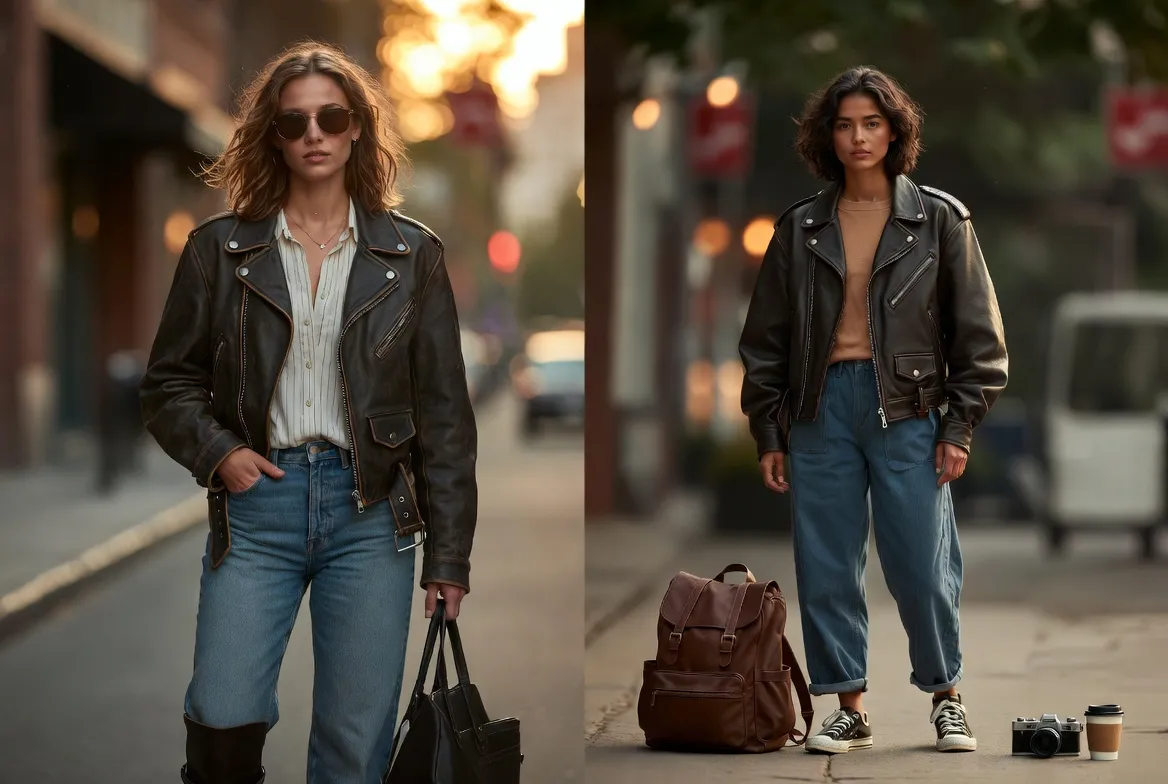
The versatility of these builds is unmatched. They bridge the gap between heavy-duty winter protection and lightweight evening layers, pairing effortlessly with denim, boots, or professional attire. But the real reason these jackets survive is the “break-in” history. A high-quality Men’s Leather Jacket or Women’s Leather Jacket becomes a record of your travels, absorbing the scars and stories of college years, road trips, and daily commutes. At AJ, we build gear that doesn’t just sit in your closet; it becomes part of your history.
Final Audit: Selecting Your Build
Ultimately, the choice between real and vegan leather comes down to your technical requirements. If you demand a high-density, “living” material that offers superior puncture resistance and a twenty-year lifespan, heritage cowhide or lambskin is the only option. However, if your priority is a cruelty-free, lightweight build that maintains a consistent, non-boxy silhouette from day one, modern industrial PU is a high-performance alternative. Both materials are staples of the AJ workshop, and both are engineered to survive the demands of the street.
The world of leather gear is vast, but quality is non-negotiable. Whether you opt for the rugged patina of an animal hide or the clean, low-maintenance finish of a synthetic, your jacket should provide an immediate boost to your confidence and anatomical comfort. Don’t settle for costume recreation that peel and tear; invest in gear that is built with dual-needle reinforced stitching and solid-core hardware.
Stop over-analyzing the specs and commit to your next piece of armor. Whether it’s a iconic silhouette from our Movie Outfits or a staple from the Men’s Leather Jackets collection, America Jackets delivers the grit you need. We offer industrial-grade quality at a direct-to-consumer price, including FREE shipping for our crews in the USA, UK, Canada, and Australia. Choose your build and hit the pavement.
Technical FAQs: Real vs. Vegan Leather
Cheap PVC (polyvinyl chloride) is notorious for peeling because it lacks flexibility. However, at America Jackets, we use industrial-grade PU (Polyurethane). It is engineered with a higher tensile strength and microscopic porosity. It won’t peel after three months, but like any synthetic polymer, it has a “shelf life” of about 5–7 years depending on UV exposure. Real leather, by comparison, will never peel; it only thins or scuffs, which adds to its character.
Vegan leather is the winner for modern, slim-cut silhouettes. Because the material is thinner and more consistent, we can cut it closer to the body without the bulk of a heavy animal hide. Real cowhide (1.1mm+) is naturally thicker and has a “stiffer” drape, which is why heritage biker jackets have that classic, rugged, and sometimes boxy look until they are fully broken in.
Largely, yes. Most vegan leather is still petroleum-based Polyurethane (PU). While plant-based hides (mushroom, cactus) are emerging, they are rarely used in mass-market outerwear due to low durability. At AJ, we are honest: our vegan options are high-performance synthetics. They are animal-friendly, but they are an industrial product, not a “natural” one.
No. Vegan leather has no “material memory.” If it’s tight in the shoulders today, it will be tight in the shoulders three years from now. Real leather is a fibrous structure that physically stretches and molds to your anatomical frame through heat and movement. If you want an immediate perfect fit, choose vegan; if you want a jacket that “becomes” you, invest in real cowhide or lambskin.
Real leather is skin; it needs moisture. Every 6–12 months, you should apply a high-quality leather conditioner to replenish the natural oils lost to sun and wind. If you neglect this, the fibers will become brittle and crack. Vegan leather requires zero conditioning—just a wipe with a damp cloth—but once it starts to degrade, it cannot be “restored” like real hide can.
That “new car” or plastic smell comes from outgassing—the release of volatile organic compounds (VOCs) used in the synthetic manufacturing process. High-quality PU outgasses quickly and becomes odorless. Real leather carries a permanent, organic scent derived from the tannins and oils used in the workshop. If a “leather” jacket smells like a shower curtain, it’s 100% synthetic.
In terms of thermal mass, yes. Real animal hide is a natural insulator; it traps body heat while allowing moisture (sweat) to escape through microscopic pores. Vegan leather is non-porous. While it blocks wind effectively, it can feel “cold” to the touch in freezing temperatures and “sweaty” in the heat. For extreme cold, we recommend a real hide build or a vegan jacket with a heavy-duty shearling or quilted lining.
